Learn 9 min read
How to clean and store what you own
Warm water and a mild soap really do clean body-safe silicone, because nothing soaks into it. The mistakes that ruin a device happen afterward, at the charging port and in the drawer.
Warm water and a mild unscented soap, then dry it all the way before it goes back in a drawer. That is the routine for nearly everything we sell, and the reason it works is the material rather than the technique.
Body-safe silicone is nonporous. Nothing soaks into it, so whatever is on a silicone device sits on the surface where soap reaches it. Wash the surface and the thing is clean.
Nonporous means there is nowhere for it to hide
Porous means structure you cannot see into. The old jelly and rubber toys were like that, soft and slightly tacky, with a smell that came back a day after washing. Lubricant works down into that structure, and soap does not reliably follow it, so washing turns into rearranging.
Silicone has no gaps to get into. That is the real argument for buying it, more than how it feels, and it is why thirty seconds at a sink is enough. Alcohol and bleach are answers to a problem you do not have. Glass has no gaps either. Every device we carry is body-safe silicone or glass where it touches you, so none of them is porous.
Thirty seconds, warm water, unscented soap
- Warm water. Warm enough for your hands and no hotter.
- A mild unscented soap, the kind you would put on your face. Antibacterial and heavily fragranced soaps leave a film, and that film ends up against skin that reacts to more than your hands do.
- Thirty seconds with your fingers. Holding something under a running tap looks like washing and is not.
- Rinse for longer than feels necessary. Soap residue is one thing to rule out if a device that was fine last month starts to sting, and if better rinsing does not settle it, read the last section on this page.
The places water skips are the places the shape changes.
- The rim and the inside of an air pulse opening, where lubricant pools.
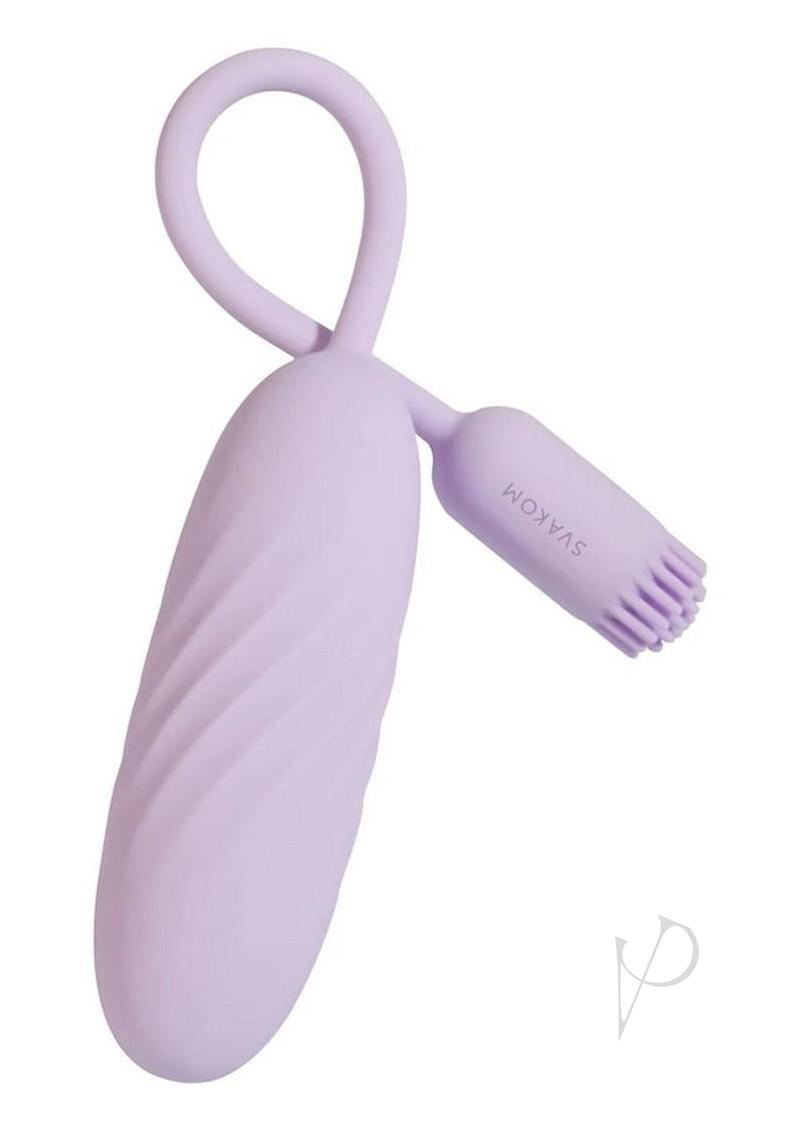
- The base of the brush tail on a vibrator like the Plume.
- The recess around a button.
- Where the retrieval cord meets the body on a kegel trainer.
Wash before the first use as well as after.
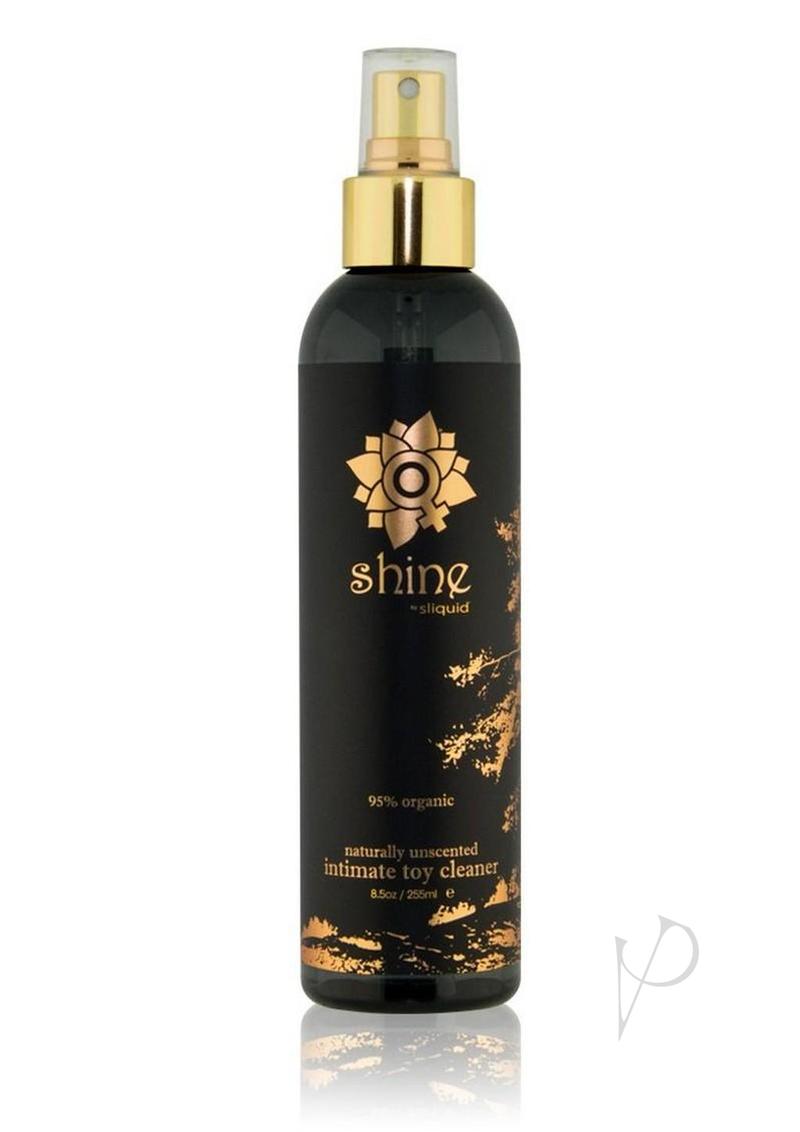
Sliquid's Shine Toy Cleaner is the cleanser we keep, made with organic botanicals, for silicone, glass, and steel. It does not clean better than soap does. It is faster, and at midnight that counts. On anything that cannot go under a tap, put it on the cloth rather than on the device.
What waterproof covers and what it does not
Waterproof means the whole device goes under a running tap, and on most of what we sell it also covers the shower. Sitting in a full bath is a bigger ask, and that is the maker's call rather than something you can read off the single word, so check the box before you take one in.
It does not mean any of this.
- The dishwasher. Heat plus detergent is a different test from a rinse.
- Boiling. You will find that advice online. Nothing with a motor inside it gets boiled.
- Soaking. A seal is built for a dunk, not for a night in a full sink.
The ones that stay out of the sink
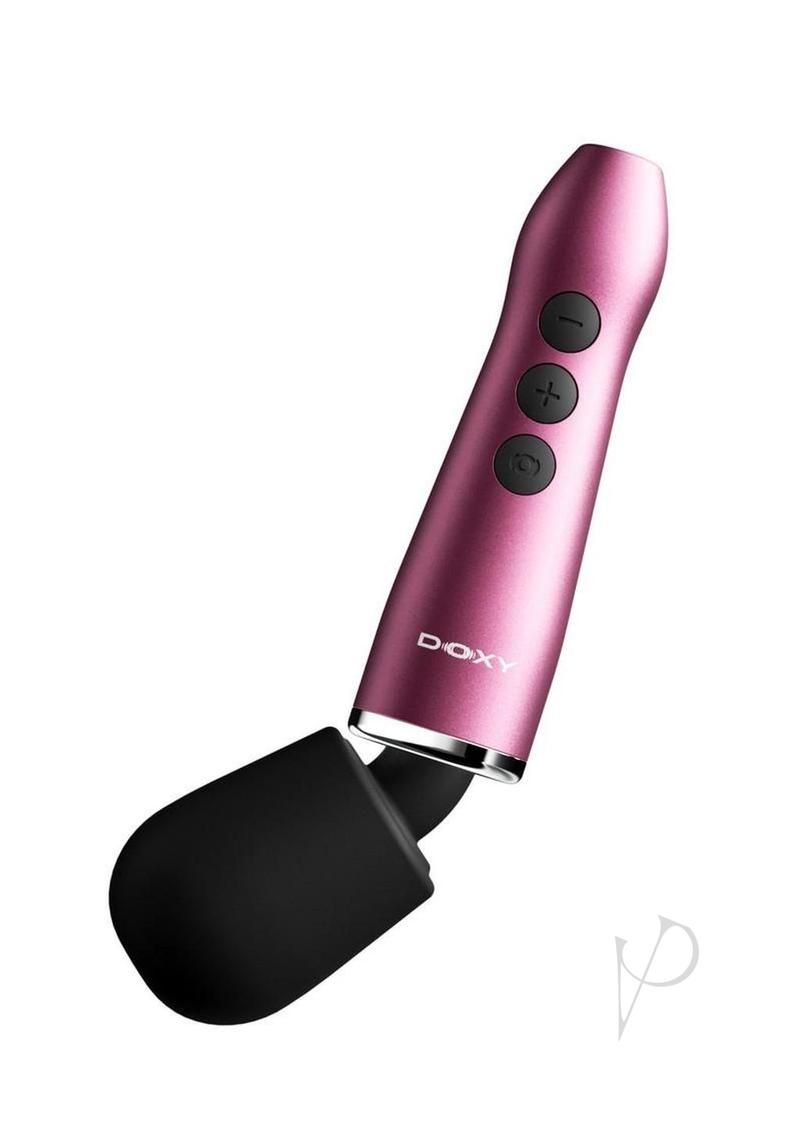
The Doxy Go is not waterproof. Keep it out of the sink. It is a compact cordless wand with a body-safe silicone head, and the word waterproof appears nowhere on it. Wipe the head with a damp cloth and a little mild soap, go over it again with a clean damp cloth, then dry it. The body of it never goes near a tap. No bath, no shower.
It is not the only one, and no list on this page can stay complete as the shelf changes, so the rule is the thing to keep: if a powered device's page does not say waterproof, treat it as a cloth device. As examples, our records do not say waterproof for the We-Vibe Sync Lite, the Sync O or the Secret Kisses Petal Play, and the ROMP Jiggle and the Prisms Vibra-Glass 10X say splashproof, which is a smaller promise than the word it sounds like. Treat each of them the same way: a damp cloth, a mild soap, no tap and no bath.
The same reasoning applies to whatever you already own. A missing waterproof claim is not an oversight. Manufacturers print waterproof on a box the moment they are allowed to, because it sells, so when it is absent it is absent on purpose. A powered device that says splashproof, or says nothing at all, is a cloth device. A piece with no motor in it is a different case, because nothing inside it needs to stay dry. What body-safe silicone means, and how to check covers a weight, and the section on glass below covers a glass piece.
The charging port
Do not aim water into it, and do not plug in anything that is not bone dry.
Waterproof devices seal the port in a few ways: a rubber flap you press shut, two metal contacts that a magnetic cable snaps onto, or a small socket that takes a pin charger. Sealed against a bath is not the same as sealed against a thumb working soap into it, so wash around the port rather than at it, and if there is a flap, seat it before the water starts. A bead of water sitting across two contacts, or in a pin socket, when the cable goes on is how a device quietly stops charging, and that is usually not recoverable.
Then put it away charged.
Drying is the step people skip
Fifteen minutes flat on a clean towel, turned once. Not rolled up inside the towel, and not back in the drawer at four minutes because you are tired.
The silicone does not mind being damp. Everything around it does. Something put away wet sits against fabric in a closed drawer for a week, and what comes out smelling like a gym bag is the fabric around it and the trapped water rather than the silicone.
Store silicone away from other silicone
Two silicone items pressed together in a warm drawer for months can react where they touch. One comes out tacky, or with a dull sunken patch in the shape of the other. It is slow and it does not undo itself.
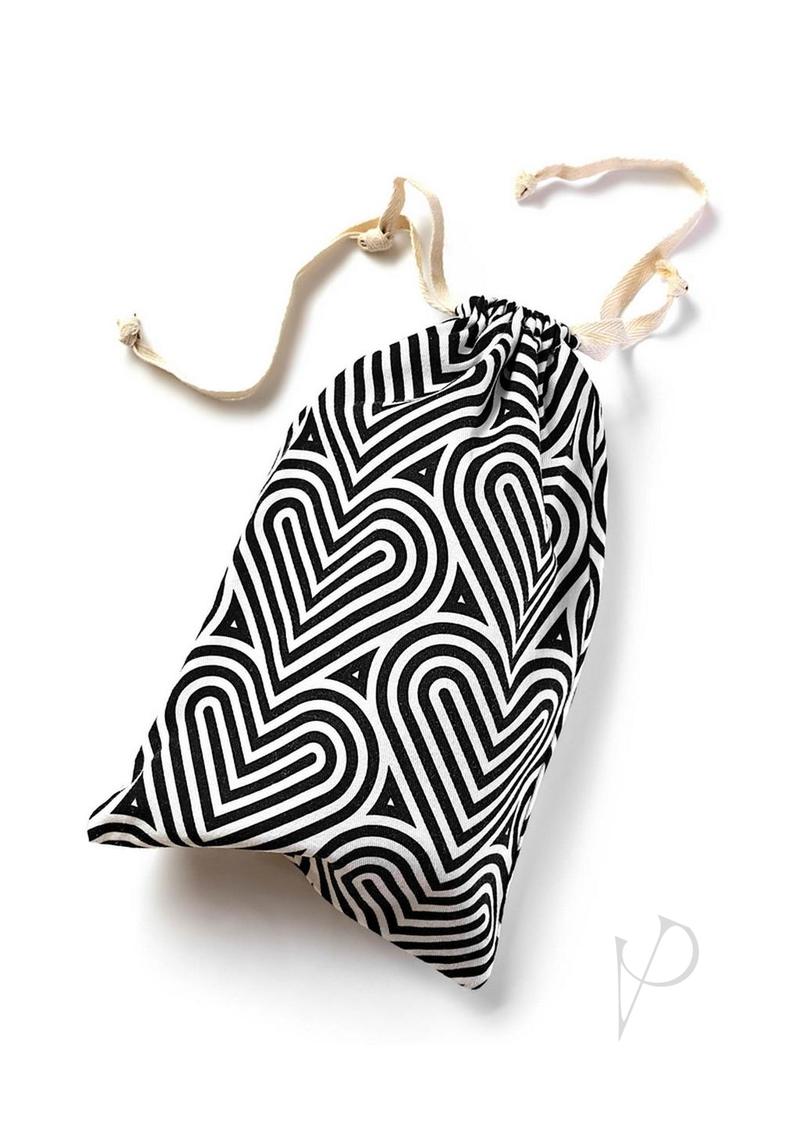
A cotton bag each solves it. Cotton breathes, so skip sealed plastic zip bags, which hold in whatever moisture you missed. Blush's Burst and Bomba are cotton drawstring bags, 7.5 in by 12.25 in, and they go in the washing machine. Check a longer device against that size before you count on it fitting. Keep silicone off keys and anything else in a drawer with an edge that can nick it.
Glass chips and cracks instead of tearing
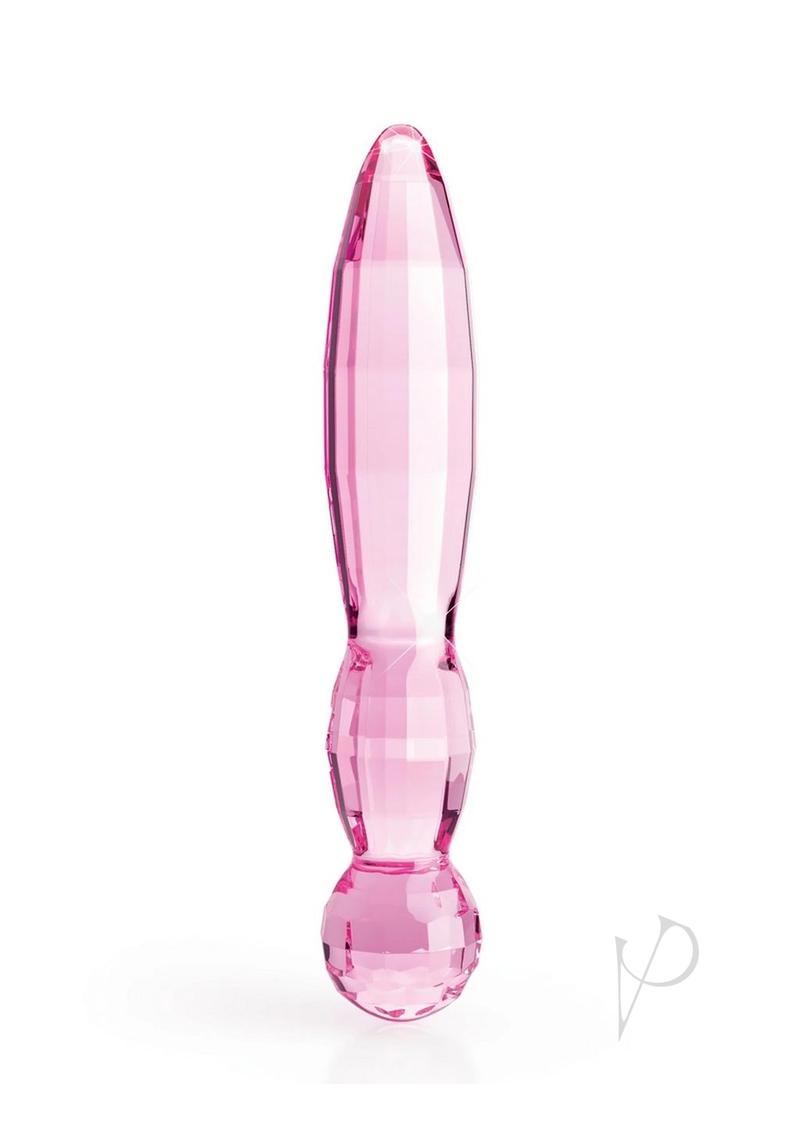
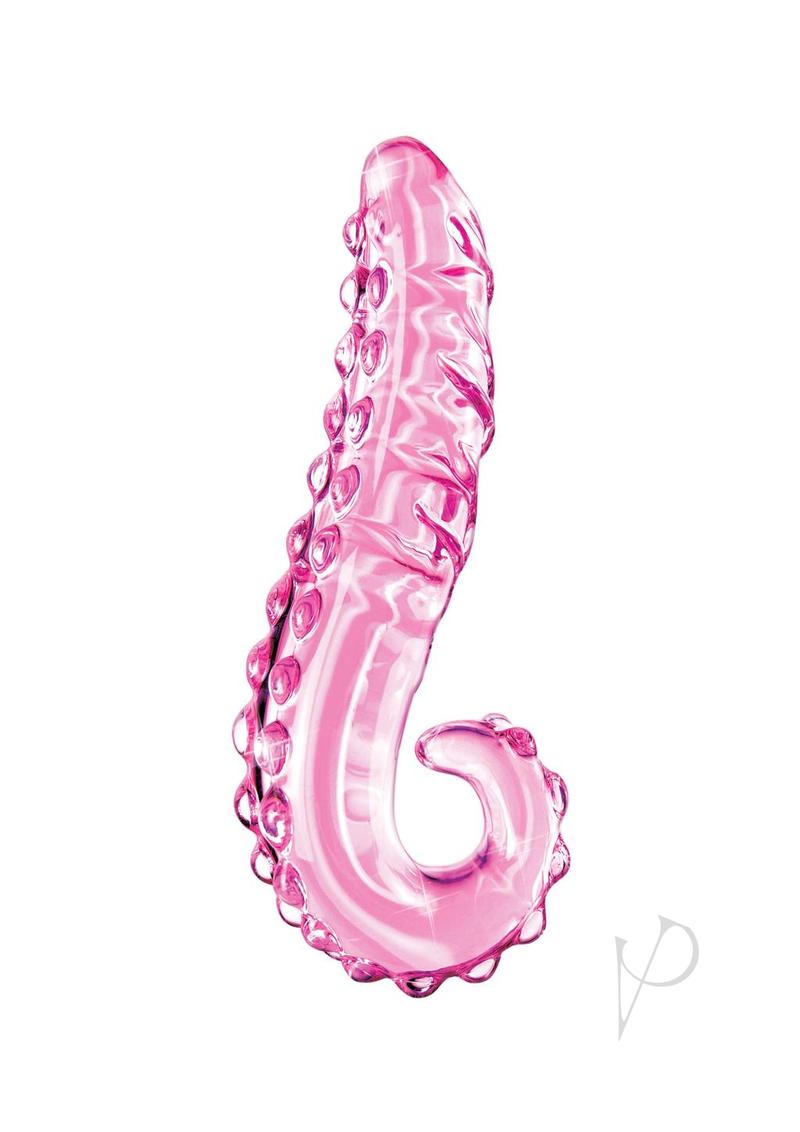
Glass is washed the same way: warm water, a mild unscented soap, then dry it. What differs is how it fails. Silicone goes sticky or tears. Glass chips or cracks, and a chipped edge is sharp.
- Look it over before every use, in good light, and run a fingertip along it. A chip, a rough spot or a fine crack means it is finished. Stop using it and throw it away.
- Keep it away from sudden temperature changes, because glass can crack when it goes quickly from one extreme to the other. No microwave, no freezer and no boiling water.
- Wash it by hand. Some makers list their glass as dishwasher safe, and washing by hand still takes thirty seconds and keeps it from knocking against other dishes.
- Store it on its own, in a soft cloth or its box. Glass against glass, or against a hard drawer, can chip it.
- Keep a firm hold of it. Lubricant makes glass slippery, and a dropped piece chips on a hard floor.
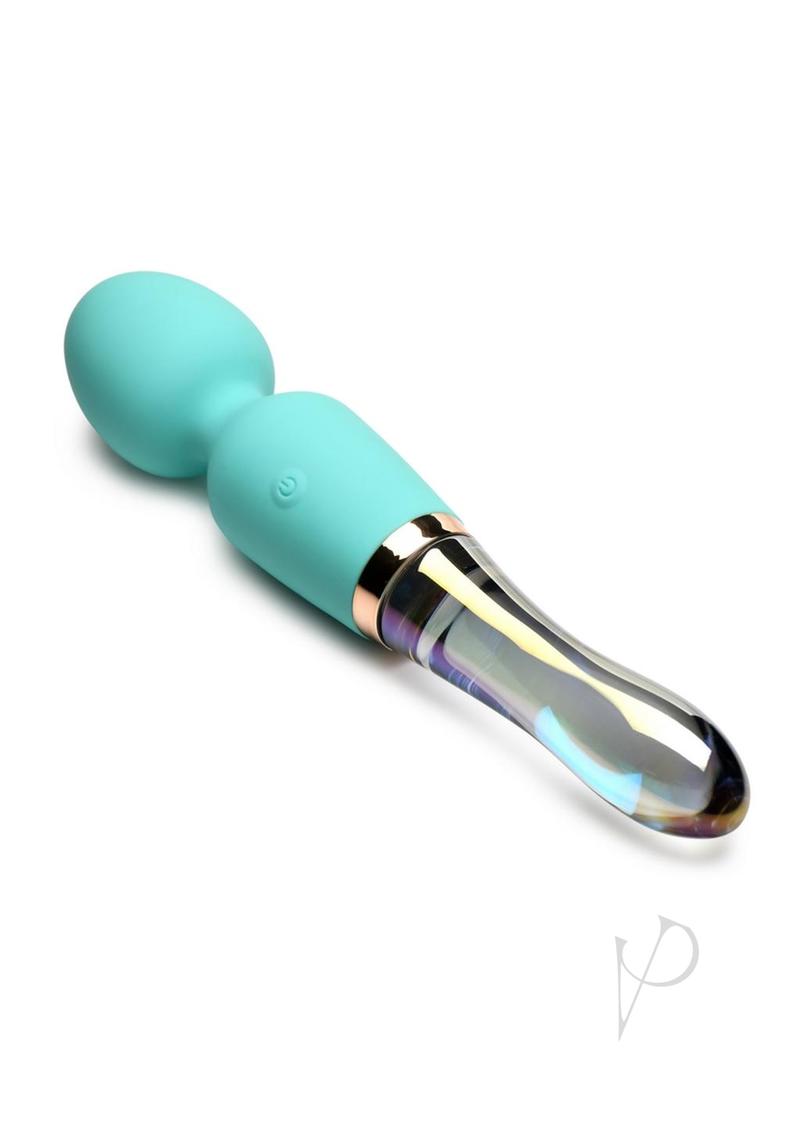
The Prisms Vibra-Glass 10X is silicone at one end and glass at the other. Treat the glass end this way and the silicone head like any other silicone, so water-based lubricant only, and keep its charging port dry. The Dillenia Cissus and the No. 24 are glass with no motor.
Silicone lubricant is the one that ruins things
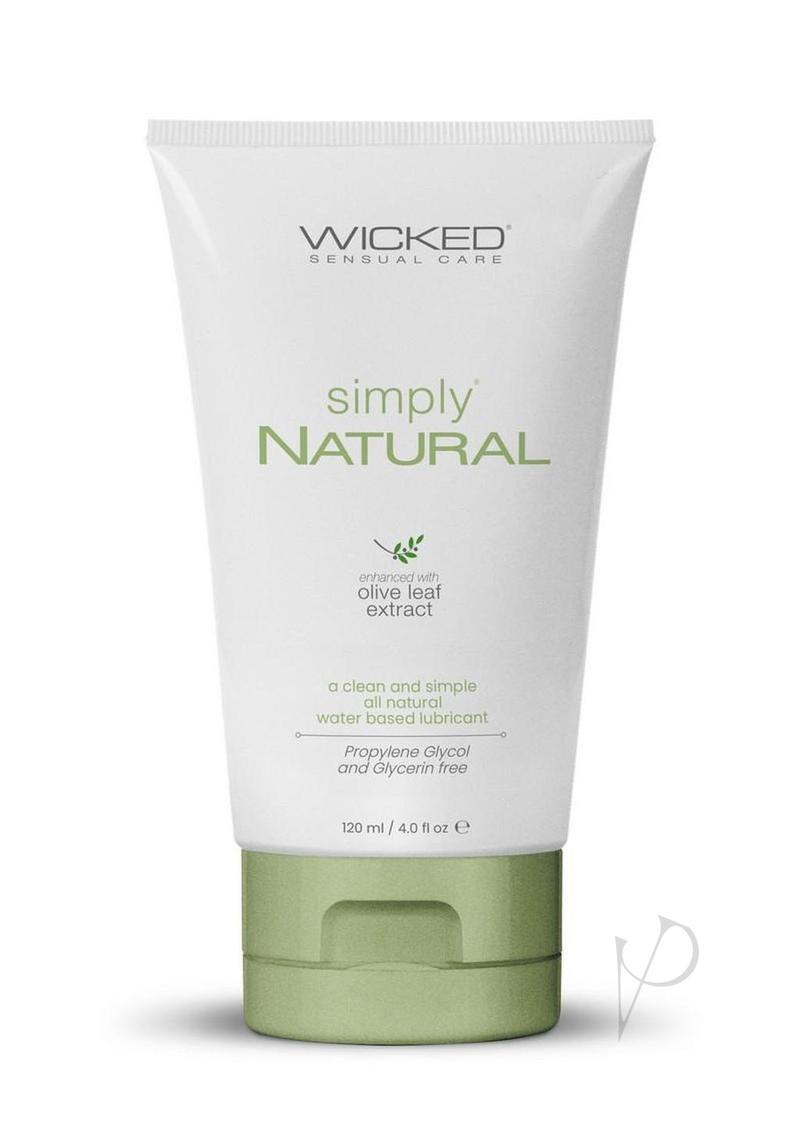
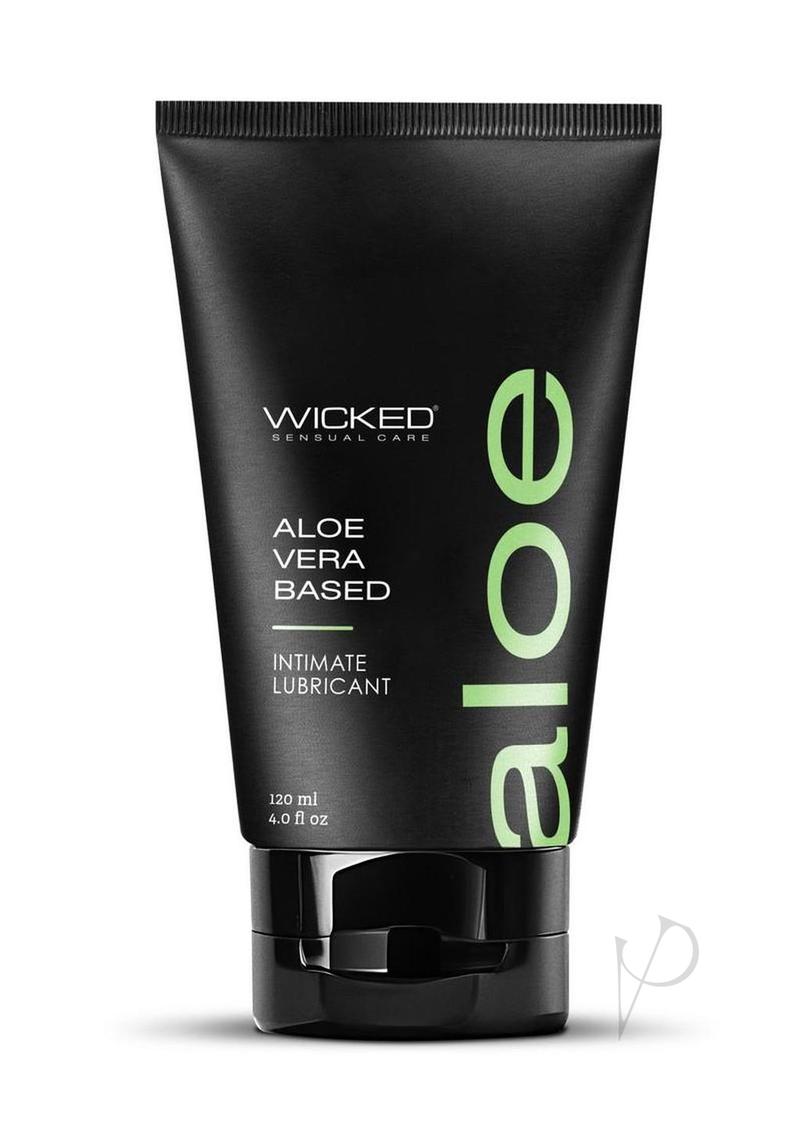
Silicone lubricant on a silicone surface can break the surface down, and there is nothing you can do afterward. When it does, it goes gummy and dull and stays that way. Use water-based on every silicone item you own. A few makers print silicone lubricant as compatible with their own devices, and on those product pages we pass the line along as theirs. Water-based is right for every device we sell, so you never have to check a label to use it. Simply Natural Gel and the Aloe Lubricant both say safe with silicone toys on the label, and those are the two we point people at for that.
Oil gets lumped in with this and should not be. Oil does not degrade silicone the way silicone lubricant does. It clings, and it takes real washing to shift. It also ruins latex condoms. Our massage oil and body oil are for skin.
Bottles, pumps and where to keep them
Wipe the neck of a bottle before you cap it, because oil creeps into the thread and glues the cap shut. Wipe a pump nozzle every few uses, at the point it goes tacky rather than after it has crusted over, because a crusted pump either will not press or fires sideways at your wrist. The Everyday Vulva Moisturizer comes in a 1.7 fl oz pump bottle, and it wants the same treatment as any other pump.
Keep bottles out of direct sun and out of a hot car. A steamy bathroom shelf is the wrong home for any of this, because it goes hot and then cool twice a day and stays humid in between. Keep the Hydrating Melts somewhere cool and dark, and a closed trunk in Miami in August will reach them through the wrapper. A bedside drawer beats a shower caddy for all of it.
When washing is not the answer
If you get itching, burning, soreness, or discharge that is not usual for you after using something, stop using it and talk to your doctor. An odor that does not clear after a wash is the same answer. Washing a device harder will not settle any of that. The appointment is short and they have heard the question before.
And if a silicone surface has gone sticky, torn, cracked, or started to peel, it is finished. You cannot clean a surface that has opened up. Throw it out. Glass that has chipped or cracked is finished for the same reason, and a chipped edge can cut.